
无间道三
'I felt like I just started my career again': British Elvis revivalist finds his voice in China_我的网站

一 |
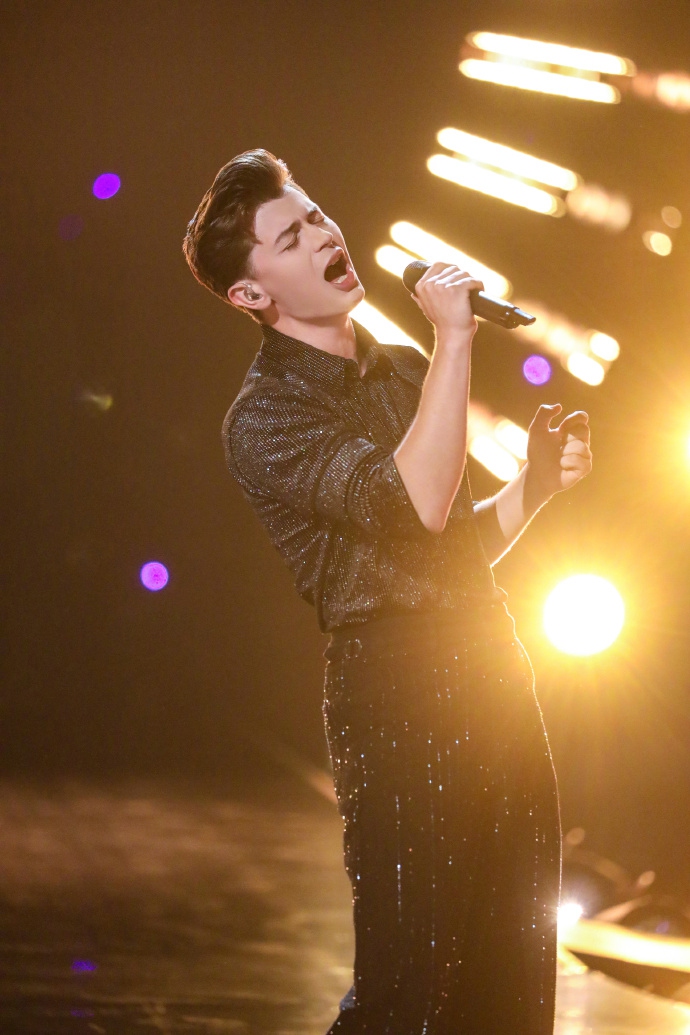
Elliot James Reay could have copied every other Western act and sung a Taylor Swift cover. Instead, he took 1950s rock'n'roll to a live TV show where autotune is switched off and discovered a version of fame that Britain has forgotten.
Elliot James Reay was traveling in the US, trying to finish a song, when his manager called. There was an invitation to join Singer 2026, a prime-time live music show in China. Reay didn't hesitate. He had traveled the world before he was a full-time musician, but had run out of money before reaching China. "I went everywhere but China," he said while sitting for an interview with the Global Times, sitting in the office of his label in Beijing, from which the Palace Museum can be seen not far away.
Reay is, in the West, a very 2020s kind of artist. He began posting short covers on short video platform TikTok in 2019; during the UK Covid lockdown, he chose to focus on growing his fan base. He now has millions of followers across platforms, and his debut single notched 10 million views before it was even released. In the British industry, this is both a leg-up and a trap. "You can have all the followers," he says, "but they don't guarantee people will buy tickets."
In China, that equation flipped.
Nervous again
The Chinese show, Singer 2026 is broadcast completely live, with no pitch correction. For Reay, who had played enough small gigs to feel comfortable in his own skin, it was a shock. "I haven't felt nerves in a long time," he says. "But I've never been in a competition before. To have my singing judged against other people made me really nervous."
He watched Week One's performances from the wings and saw why. "The standard was terrifying," he says.
But the format, he admits, is something the UK no longer has: a televised singing contest that treats vocal ability as a public event, not a pre-packaged product. "It made me feel like I just started my career again."
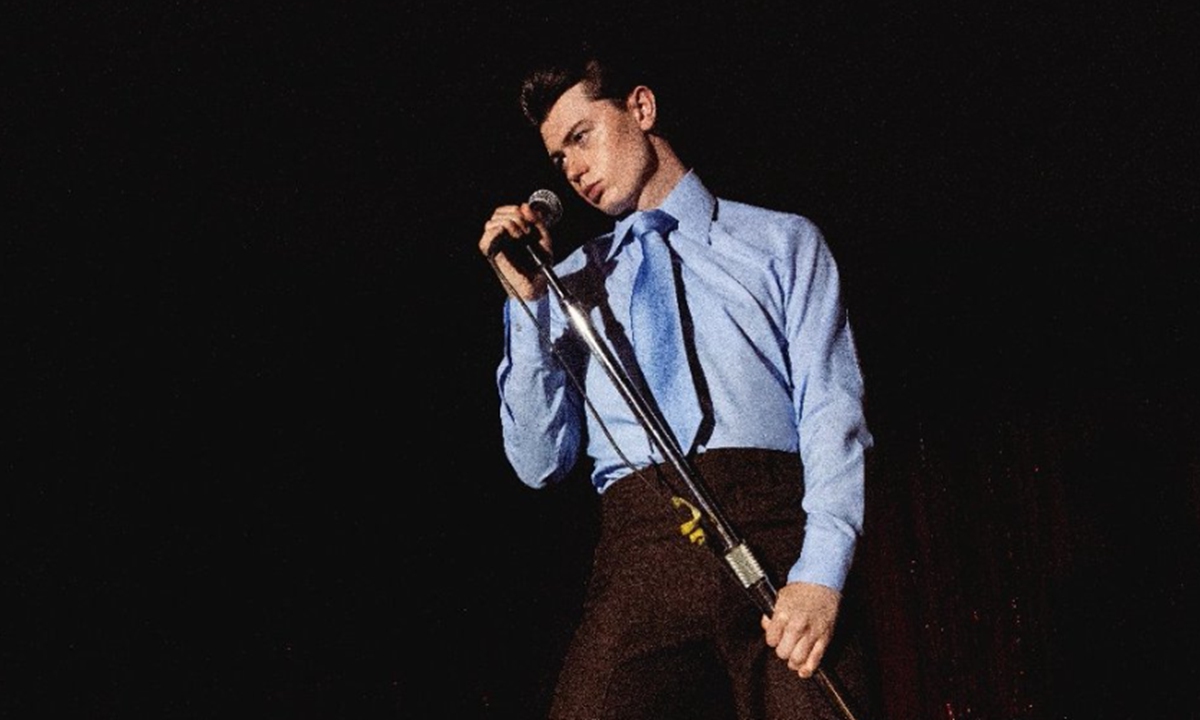
Reay's lane is retro. Not as pastiche, but as lineage. He wears the silhouette of Elvis Presley, sings in the grain of 1950s pop, and writes songs that sound like they were cut from a Sun Records demo. He could have sanded it down for Chinese audiences, but he didn't.
"Someone has to start the wave before you can see it," he says. Among the songs he performed were "Unchained Melody" and his original track "I Think They Call This Love," which he co-wrote with his girlfriend. He points out that the Beatles still sit next to Taylor Swift on the radio, and that pop started in the 50s. "It's the foundations of pop," he says.
Learning to feel the words
In the final, Reay performed a bilingual version of the Chinese song "Hou Hui Wu Qi" (The End of the World). It was his first time singing in another language. He spent five days learning the Chinese lyrics, listening to the original on loop.
"There are sounds in Chinese we just don't have in English," he says. "I couldn't hear the difference at first. I'd say it, and Helen (his translator) would say, 'No.' I thought I was saying the same thing." Eventually, he stopped trying to hear it and started trying to feel it. "It became more about how it felt to say it. How I place my tongue in my mouth," he says.
He didn't understand the meaning until day three. "Helen gave me a card with the Chinese characters and the English translation. It's very poetic," he says. The performance received a strong reaction, with it being called an attempt at "cultural fusion."
He had saved his own original, "I Think They Call This Love," co-written with his girlfriend, for the same final. He had held the song back deliberately. "I knew that any week was my last week," he says, "but I knew that if I made it to the grand final that I had to do it then." He had no idea it would become the last song of the entire show.
When he finished, he walked straight off stage, took his girlfriend's hand, and the two of them left together, a moment that trended on Chinese social media that night.
The song is about the exact point they realized they were in love; it was also the first track of his career he fully believed in and pushed into the world. Having her there to watch it live, after weeks of her only seeing performances on a phone in a hotel room, "tied the whole thing in a bow at the end."
A touring musician, not a TikToker
Reay is open about the tension between his origin story and his ambition. "I don't want to be a TikTok celebrity," he says. "I'm a musician. I want to tour."
The platform gave him an audience, but it also boxed him in. He remembers friends who wrote incredible songs during lockdown, while he chose to build a fan base. Now, he says, some of those friends have had to stop writing and make TikTok videos instead.
China, he says, gave him permission to be both an online creator and a live performer. Universal Music, his label, didn't push him to chase trends. "They never said, 'Do this, do that,'" he says. "They supported what I wanted to sing, and then they made it the best version they could."
Before Reay, a string of international artists had already found warm receptions and career-shifting opportunities in China. Kazakhstani singer Dimash Kudaibergen, Malaysian star Shila Amzah, US country artist Mickey Guyton, British vocalist Jessie J, and French singer-songwriter Joyce Jonathan all won large Chinese audiences through high-profile television appearances and live performances, each using the platform to open a new chapter in their careers.
He's already planning a return. He wants to bring a tour. He wants to buy the traditional instruments he saw on set and take them home to England. "I'm going to learn how to play them," he says, "and maybe put them into my music."
The advice he'd give other Western artists looking East is to stay loyal to yourself. "Be yourself," he says. "It's very easy to want to change yourself to fit into a market, but at the end of the day, if you stay true to yourself, you'll be happy."
"In the UK, I felt like I needed to do other things to make other people happy," he says.
"If I hadn't stopped doing that, I wouldn't be sitting here. I wouldn't have done the show. My whole journey would be different," he says.
。 内存价格暴涨,很多想要加内存的玩家都在纠结,我们都知道双通道内存可以让游戏体验提升,那么这个提升有多少,到底值得不值得升级,下面我们就通过实测来证实一下。 先简单介绍一下,内存是直接和CPU进行通信的,所以内存的速度越快,CPU就能更快地获取到所需的信息。双通道内存指的是将不同的内存布置在两个通道中,CPU可以同时读写两组内存条,理论上内存带宽直接翻倍。

二 | 不过呢,CPU要和内存交换的数据并不是平均分配在两个通道的内存上的,所以内存带宽的翻倍并不能使相应的速度翻倍。

三 | 可以看到,在DDR5 6000MHz平台下,16GB单通道内存的读取带宽为46.6GB/s,而双通道的带宽则提升到了59.5GB/s,带宽提升了接近28%。 游戏玩家更关注的问题是,CPU真的需要这么大的内存带宽来运行游戏吗?这取决于游戏引擎对CPU与GPU之间数据交换的频繁程度。帧数越高,每秒需要从内存读取的材质、模型和场景数据就越多,内存带宽的瓶颈也就越明显。 我们使用AMD R7 9850X3D搭配RTX 5070平台进行实测,测试游戏包括《赛博朋克2077》,《CS2》,《古墓丽影:暗影》以及《极限竞速:地平线5》。

四 | 所有游戏均为2560 x 1440分辨率,预设高画质,支持光线追踪的游戏开启光线追踪,支持DLSS的游戏开启DLSS并使用质量模式。 从测试结果来看,双通道内存带来的帧数提升远没有理论性能那么大,提升幅度都在2%-3%左右,对于200帧的游戏帧数来说好像并没有那么明显。 不过平均帧率只能反映游戏的整体感受,而内存带宽提升带来的另一优势是最低帧的提升。所以下面我们再看看1% Low帧的对比。 在这四款游戏中,双通道对1% Low的提升幅度远大于对平均帧率的提升,提升幅度直接来到了10%以上,对于《CS2》这类FPS游戏有明显的提升,而且low帧的提升对于游戏体验来说也大有裨益。 双通道内存让CPU和内存的数据交换更加及时,CPU不需要等上一批数据传完就能开始下一批,帧间隔因此更均匀,也就使得游戏的low帧更高,给我们的感受就是卡顿感更少了。

五 | 所以结论也就很明显了,如果你玩的是注重反应速度的FPS游戏,或是为了提升竞技的技术,那么双通道内存就是必备。而对于普通的游戏玩家来说,双通道内存对帧数的提升并不明显,没有必要单纯为了双通道而加内存。 另外,对于使用核显的用户来说,双通道的意义更大,因为核显没有独立显存,直接共享系统内存,内存带宽就是显存带宽,双通道几乎是必选项而非可选项了。 最后要提醒大家的是,在组建双通道内存时,插槽位置要对,有4条插槽的主板,双通道内存要隔一个内存插槽安装,虽然不同频率不同容量的内存也能组成双通道,我们还是建议频率和时序尽量一致。两根内存频率不同时,系统会以较低频率运行,影响应有的性能发挥。
。
Current article:http://shaimeihaoangguanwahuaisaiyao.buzz/news/20260826_7646762.html
Published on:17:01:06
我的网站最近更新
- 国产游戏出海爆火!《白银之城》全球预注册突破千万
- 英国国防部长:泽连斯基绝不能和普京妥协,俄军不败战争不能结束!
- Justice DY Chandrachud to be next CJI
- 广州多区“双红色”预警 局地出现龙卷风、冰雹
- Filmmaker Vikram Bhatt Arrested With Six Others in Rs 30 Crore Fraud Case: Reports
- 外交部:美官员攻击中国科技企业言论颠倒黑白
- 非洲数字发展与转型高级研修班在杭州开班,非洲数字发展与转型高级研修班在杭州开班
- 赛迪顾问:园区“再创业”的环境之变与路径选择
- 跨境电商必看:主域名和子域名的区别
- SL President vows to better electoral system
- 国民党民代陈雪生遭突击搜查 其胞弟等人被带走 带队检察官今年2月曾搜查高金素梅
- 福州地表水保护治理项目获中央补助
- 济南发布雷电预警:今天下午至夜间,历下、市中、槐荫、天桥、历城、南山和起步区有雷阵雨,局地有短时强降雨、阵风7~8级;山东局部大雨
- 美记:尼昂可激活更衣室 同时提供稳定三分输出
- 10 Best Korean Horror Movies: A Tale of Two Sisters and More
- 大国外交最前线丨约旦国王九度访华 中约友谊如何续写新篇章?
- 大连钢珠求救鸭去世了 原因是……
- 三星 2026 上半年研发投入超 27 万亿韩元,全球专利总量逼近 30 万件
- 巴勒莫官方:尤文33岁门将佩林转会加盟,签约至2029年
- 新华解码丨如何培育国家级零碳工厂、零碳算力设施
- 千米云端 “候鸟”成群——周宁紫云村避暑旅居观察
- 红米红大米7号在8分36秒内售完
- 杨德龙:美联储继续加息可能陷入滞胀,意味着今年美股无牛市_通胀_预期
- 国足选拔队今迎东亚杯末战
我的网站热门资讯
- 曼晚盘点曼联伤情:阿马德&德利赫特有望赛季结束前回归
- 小米家用高压锅推出:智能无级调压,销售599元
- 尼泊尔北部暴发山洪,中国驻尼泊尔大使馆提醒在尼中国公民和机构加强安全防范
- 智能辅助驾驶/智能座舱等功能升级 星途星纪元开启最新OTA推送
- 부산대병원 ‘지역완결형 글로벌 허브 메디컬센터 사업’ 예타 통과
- 김영미 작가 개인전 ‘업’…29일 구구갤러리서 개막
- 韦东奕主编练习册,迫于压力下架?
- Rohingya repatriation: Yet to get any good news from China, says Momen
- 2026大理旅拍攻略 第一次拍婚纱照怎么选不踩坑
- 佳能确认8K EOS R全帧无反射相机将很快启动。
- 外交部:中方将继续坚决打击一切形式的恐怖主义 切实保护恐怖主义受害者的权利
- 每体:4000万欧签巴尔德是曼联可承受的,但红魔首选目标是霍尔
- 斥资20W,iPhone 14 Pro Max被提前激活,微信等尚未适配灵动岛_微信腾讯视频等尚未适配灵动岛_提前激活iPhone14每台罚款20万
- 小米汽车官方回应赛道测YU7刹车片起火:正常现象!制动不会失效
- 并行科技(920493):拟以不超过1.28亿元向叶城县昆仑电子商务有限公司、联创万通智算技术服务有限公司采购GPU算力服务器及配套IT设备
- 公示!“闽超”拟新增2名台胞球员
- 中国印尼全面战略对话机制首次会议在雅加达举行
- 博伦智汇宣布完成千万级天使轮融资
- 这次真不一样!《NBA2K27》大刀阔斧到底改了啥
- Musk's X tests $1 fee for new users in the Philippines and New Zealand
- 国足2-0赢球,最该记功的却不是张玉宁韦世豪?有一人不该被忽视
- Immersive heritage shows draw visitors to Tianmen Mountain in Hunan
- 首发特惠43.2元!《方块方舟》大型DLC「地下迷城」定档8月27日!
- iPhone 14 Plus渠道价暴降近2000 销量差到苹果狂砍单4成